Introduction
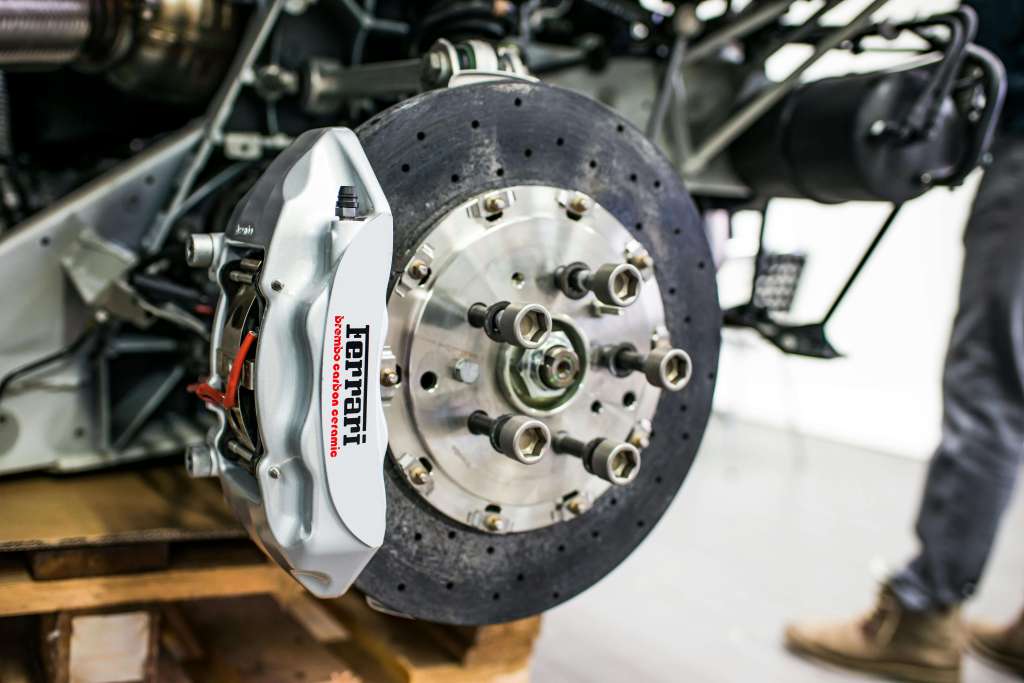
Your vehicle’s braking system is crucial for safety and performance. Over time, brake pads and rotors wear down, reducing your car’s ability to stop efficiently. Knowing when to replace these components can prevent costly repairs and improve road safety. Here are the key signs that indicate it’s time to replace your brake pads and rotors.
1. Squealing or Screeching Sounds
One of the most common signs of worn-out brake pads is a high-pitched squealing sound when braking. Most brake pads are designed with wear indicators that emit this noise to alert you that the pads are nearing the end of their lifespan. If you hear consistent squealing, it’s time to inspect your brakes.
2. Grinding Noises
A grinding noise often means your brake pads are completely worn down, causing the metal backing to contact the rotors. This can severely damage your rotors, making replacements necessary. If you hear grinding sounds, stop driving immediately and have your brakes checked.
3. Vibration or Pulsation
If you experience vibration or pulsation in the brake pedal when stopping, it may indicate warped rotors. Warped rotors can occur due to excessive heat buildup from prolonged braking or aggressive driving. Replacing the rotors promptly can restore smooth braking performance.
4. Reduced Braking Performance
If you notice your car taking longer to stop or if the brake pedal feels spongy, worn-out pads or damaged rotors may be the cause. Reduced braking efficiency is a serious safety concern that should be addressed immediately.
5. Dashboard Warning Light
Many modern vehicles are equipped with brake wear sensors that trigger a dashboard warning light when your pads are too thin. If this light appears, schedule a brake inspection as soon as possible.
6. Visible Brake Pad Wear
You can visually inspect your brake pads through the wheel spokes. If the pad material is less than 1/4 inch thick, it’s time for a replacement. Checking your brake pads periodically can help you catch early signs of wear.
7. Scoring or Grooves on the Rotors
If you notice deep grooves or score marks on the rotor surface, it’s a sign of prolonged contact with worn-out pads. Damaged rotors may need resurfacing or replacement depending on the severity of the wear.
8. Burning Smell While Driving
A strong burning odor after heavy braking may indicate overheated brakes or worn-out pads. If you detect this smell, pull over safely, allow your brakes to cool, and have them inspected.
How Often Should You Replace Brake Pads and Rotors?
The lifespan of brake pads and rotors depends on driving habits, vehicle type, and road conditions. On average:
- Brake Pads: Should be replaced every 30,000 to 70,000 miles.
- Rotors: Typically last 50,000 to 70,000 miles but may need earlier replacement if damaged.
Tips for Prolonging Brake Life
- Avoid aggressive braking; slow down gradually.
- Regularly inspect your brake system for wear and tear.
- Use quality brake pads and rotors for better durability.
- Ensure proper wheel alignment and tire condition to reduce brake strain.
Conclusion
Staying vigilant about your car’s braking system is essential for your safety and vehicle performance. By recognizing these warning signs and replacing worn brake pads and rotors when needed, you can ensure your car stops effectively and reliably. Regular inspections and proper maintenance will help extend the life of your braking system, giving you peace of mind on the road.
 Go Fix Car
Leave a comment