Introduction
Improving your vehicle’s fuel efficiency is an effective way to reduce fuel costs, minimize environmental impact, and enhance your car’s overall performance. By adopting smart driving habits, maintaining your vehicle properly, and considering simple upgrades, you can significantly improve your gas mileage. Here are practical tips to help you save on fuel.
1. Practice Efficient Driving Habits
Your driving style has a significant impact on your car’s fuel efficiency. Implement these techniques to save gas:
- Avoid Rapid Acceleration and Hard Braking: Smooth and gradual acceleration conserves fuel better than aggressive driving. Sudden braking also wastes energy.
- Maintain a Steady Speed: Using cruise control on highways helps maintain a consistent speed, reducing unnecessary fuel consumption.
- Reduce Idling: Idling for long periods burns fuel without moving the car. Turn off your engine when parked or waiting.
- Plan Efficient Routes: Combine errands, avoid traffic congestion, and use navigation apps to reduce driving time and save fuel.
2. Keep Your Tires in Good Condition
Properly maintained tires improve traction and reduce rolling resistance, which can enhance fuel efficiency. Follow these tips:
- Check Tire Pressure Regularly: Under-inflated tires increase friction and reduce mileage. Maintain tire pressure at the manufacturer-recommended level.
- Rotate Your Tires: Regular tire rotation ensures even wear and optimal performance.
- Use Low Rolling Resistance Tires: Specially designed tires can improve fuel efficiency by reducing the energy needed to keep your car moving.
3. Maintain Your Engine and Fluids
A well-maintained engine runs more efficiently, consuming less fuel. Consider these maintenance tips:
- Change the Air Filter: A clean air filter ensures proper airflow to the engine, improving combustion and saving fuel.
- Replace Spark Plugs: Worn-out spark plugs can reduce your engine’s efficiency. Replacing them at recommended intervals boosts performance.
- Use the Right Motor Oil: Opt for engine oil labeled “energy conserving” to minimize friction and improve mileage.
- Keep Fuel Injectors Clean: Dirty fuel injectors reduce engine efficiency. Consider periodic injector cleaning for optimal performance.
4. Reduce Vehicle Weight and Drag
Unnecessary weight and aerodynamic drag can diminish fuel efficiency. To address this:
- Remove Unnecessary Cargo: Clear out heavy items from your trunk and back seat when not needed.
- Avoid Roof Racks When Possible: Roof-mounted storage adds wind resistance, reducing gas mileage. If not in use, remove the rack to improve aerodynamics.
- Keep Windows Closed at High Speeds: Open windows increase drag, especially on highways. Use air vents or the car’s climate control instead.
5. Use Air Conditioning Wisely
While air conditioning keeps you comfortable, it also consumes fuel. Use these strategies to balance comfort and efficiency:
- Use A/C Moderately: Run the air conditioner only when necessary and set it to a moderate temperature.
- Park in the Shade: Parking in shaded areas keeps your car cooler, reducing the need for excessive air conditioning when you start driving.
6. Fuel-Saving Upgrades and Technology
Investing in modern tools and technologies can further improve your vehicle’s efficiency:
- Install a Fuel Monitoring Device: These devices provide real-time feedback on driving habits, helping you adjust for better mileage.
- Upgrade to LED Headlights: LED lights consume less energy than traditional halogen bulbs, improving overall vehicle efficiency.
- Consider Engine Tuning: A professional tune-up can optimize engine performance and fuel economy.
7. Refuel Smartly
Making better choices when refueling can improve efficiency:
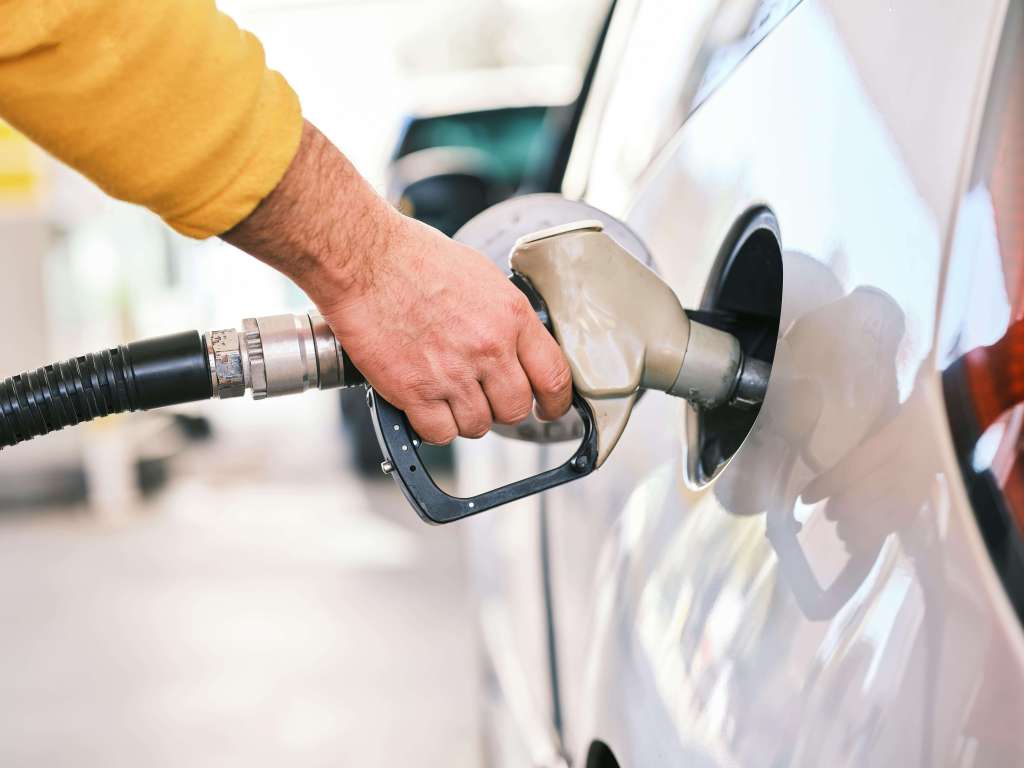
- Avoid Overfilling the Tank: Stop filling when the pump clicks off to prevent wasted fuel.
- Refuel During Cooler Hours: Early morning or evening refueling reduces gasoline evaporation, improving mileage.
Conclusion
Improving your vehicle’s fuel efficiency requires a combination of mindful driving, regular maintenance, and practical upgrades. By adopting these strategies, you can reduce your fuel expenses, extend your vehicle’s lifespan, and contribute to a cleaner environment. Start implementing these tips today to enjoy smoother, more cost-effective drives.
 Go Fix Car
Leave a comment