Introduction
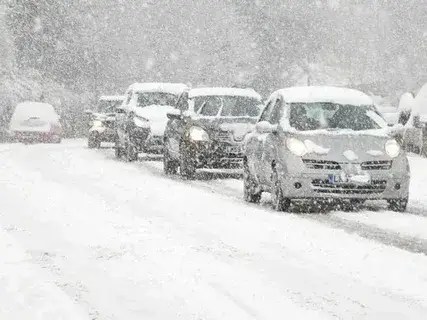
Driving in heavy rain or snow presents unique challenges that demand extra caution and preparation. Reduced visibility, slippery roads, and unpredictable traffic conditions can increase the risk of accidents. By following these best practices, you can improve traction, visibility, and control to stay safe on the road.
1. Prepare Your Vehicle
Ensuring your car is in optimal condition is crucial for safe driving in poor weather. Key steps include:
- Check Your Tires: Inspect tire tread depth and pressure. Deeper treads provide better grip on wet or icy roads. Winter tires are highly recommended for snowy conditions.
- Test Your Wipers and Lights: Functional windshield wipers and clear, bright headlights are vital for visibility. Replace worn wiper blades and clean your lights to maximize brightness.
- Fill Up on Fluids: Keep windshield washer fluid topped up to clear debris and moisture. Anti-freeze ensures your engine remains functional in cold temperatures.
- Maintain Brakes and Battery: Ensure your brakes respond properly and your battery is fully charged to prevent breakdowns in extreme weather.
2. Drive Slowly and Maintain Distance
Reducing speed is one of the most effective ways to maintain control in rain or snow. Wet roads reduce tire traction, while icy conditions make stopping distances longer. To enhance safety:
- Drive Below the Speed Limit: Speed limits are designed for optimal conditions. Reduce your speed significantly in hazardous weather.
- Increase Following Distance: Maintain a safe gap of at least 5-6 seconds between your vehicle and the car ahead. This allows extra time to react to sudden stops or skidding vehicles.
3. Use Your Lights Wisely
Visibility is crucial in rain or snow. Enhance it with proper lighting:
- Use Low Beams in Rain: Avoid high beams in fog or heavy rain as they reflect off moisture and reduce visibility.
- Use Fog Lights if Available: Fog lights improve visibility in dense rain or snowfall without causing glare.
- Turn On Headlights During the Day: Even in daylight, headlights help other drivers see you more clearly.
4. Avoid Sudden Maneuvers
Abrupt steering, braking, or accelerating can cause your vehicle to lose traction on wet or icy surfaces. To reduce this risk:
- Brake Gently: Apply steady, light pressure on the brake pedal to avoid skidding.
- Accelerate Smoothly: Gradual acceleration prevents wheels from spinning out.
- Steer Carefully: Sudden turns may cause your car to slide; adjust your steering gradually to maintain control.
5. Know How to Handle Skids
If your vehicle begins to skid, staying calm and taking the correct actions can prevent an accident:
- Don’t Slam the Brakes: Instead, ease off the accelerator and steer in the direction you want to go.
- Correct for Rear-Wheel Skids: If the rear wheels skid, turn the steering wheel in the direction the rear of the car is sliding.
- Control Front-Wheel Skids: In front-wheel skids, ease off the gas and gently steer straight until traction is regained.
6. Avoid Flooded Roads and Deep Snow
Driving through standing water or deep snow can be extremely dangerous:
- Avoid Large Puddles: Deep water can hide hazards or damage your engine.
- Don’t Drive Through Flooded Streets: If water reaches above the bottom of your doors, turn around to avoid stalling or water damage.
- Use Snow Tracks When Needed: If roads are heavily covered in snow, chains or snow tracks can improve traction.
7. Stay Informed and Plan Ahead
Monitoring weather conditions and adjusting your travel plans can enhance safety:
- Check Weather Forecasts: If severe weather is predicted, delay travel when possible.
- Plan Your Route: Stick to main roads that are more likely to be plowed and salted.
- Carry Emergency Supplies: Keep a winter emergency kit in your car with essentials like blankets, a flashlight, and non-perishable snacks.
Conclusion
Driving safely in heavy rain or snow requires preparation, patience, and smart techniques. By maintaining your vehicle, adjusting your speed, and practicing cautious driving habits, you can reduce risks and stay safe on the road. Prioritizing these best practices will help ensure you arrive at your destination securely, no matter the weather conditions.
 Go Fix Car
Leave a comment